
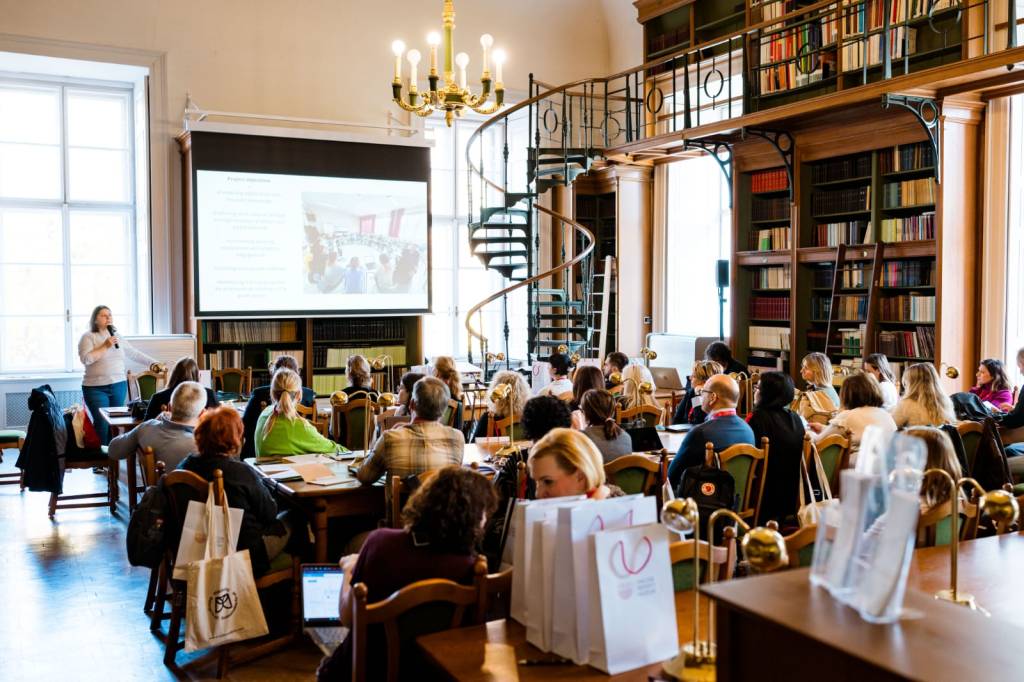
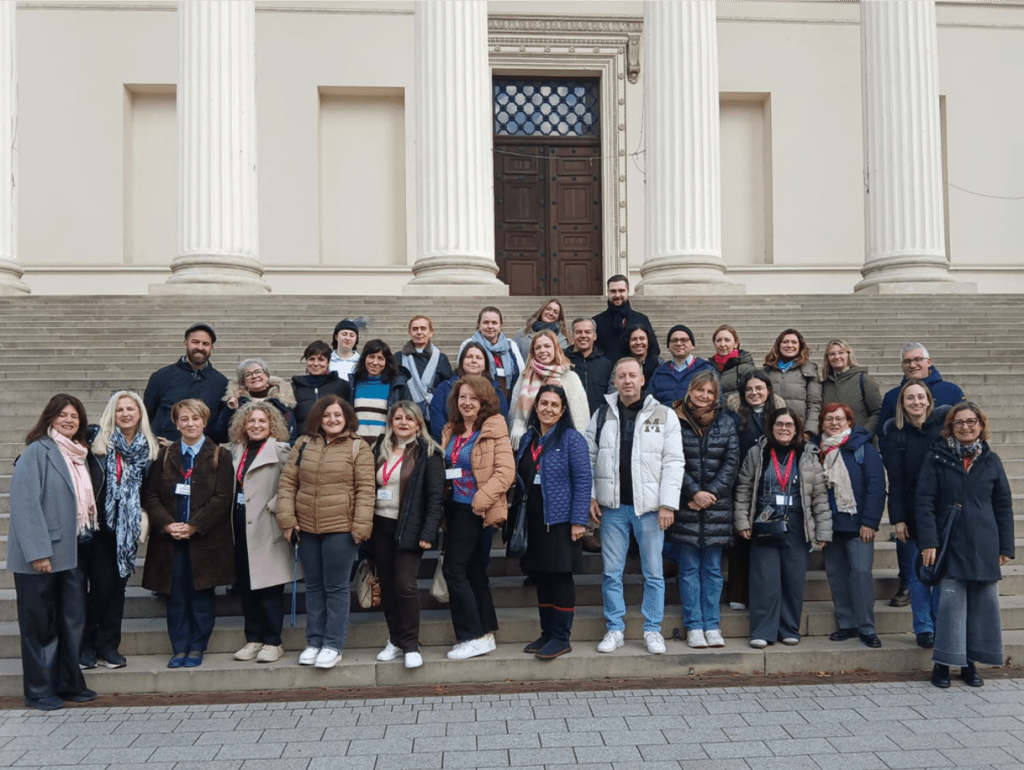
The second Learning, Teaching and Training Activities (LTTA) of the Erasmus+ MUSED project were successfully held in Budapest, Hungary, from November 10th to 12th, 2025. Hosted by the prestigious Hungarian National Museum (HNM) and the National Széchényi Library (NSZL), the event brought project partners together to explore and develop innovative approaches to cultural education in the digital age. The primary goal of this intense three-day event was to equip participants with tools and ideas for creating digital museum experiences and expanding international collaboration.
From Theory to Practice with the Digital Toolkit
Activities began at the Hungarian National Museum, where the focus was on the practical aspects of digitalization. Participants received a detailed introduction to the MUSED toolkit (IPC) and took part in intensive workshop sessions centered on the theme: “How to build a digital museum?”. Through these practical sessions, conducted in two parts, the team actively worked to develop concrete and feasible ideas for new digital museum experiences. The work sessions were complemented by a guided tour of the HNM’s permanent exhibition, which offered essential context for the work being done.
The Strategic Role of eTwinning
In the following days, the focus shifted to the National Széchényi Library, located within the evocative Buda Castle Complex. Here, the core of the program became the expansion of educational collaboration through the eTwinning platform. Sessions included an introduction to the eTwinning project within MUSED by the Epanomi School (MVE), followed by presentations on best practices and inspirations led by the Hungarian eTwinning Ambassador. The culmination was the design workshop, titled “How to expand MUSED?”, aimed at creating new avenues for educational cooperation. The results of these workshops were subsequently presented in the concluding session, “MUSED goes to eTwinning”.
Cultural Insights and Networking
The agenda was skillfully enriched with a cultural and social program that emphasized the importance of connecting technology with historical heritage. In addition to the welcome dinner, networking evenings, and the certificate ceremony, participants enjoyed a guided UNESCO heritage tour in the Buda Castle and a visit to the Hungarian National Gallery. An optional all-day tour to Szentendre, including a visit to the Ferenczy Museum – Art Mill, completed the immersion in Hungarian culture.
Next Developments
The Budapest LTTA achieved considerable success, strengthening international cooperation and stimulating the birth of fundamental new project ideas. Armed with the toolkit skills acquired and the detailed plans that emerged from the eTwinning workshops, the project is now ready for its next phase. The imminent challenge will be the active implementation of the eTwinning projects and the creation of the virtual museum and its content. Keep following us to discover the project’s next developments!
 MUSED
MUSED 
Lascia un commento